
Easy Guide to Fine Motor Skills for 3 Year Olds
Fine motor skills are one of main developmental milestones in early childhood, but keeping them all straight and also encouraging those milestones can feel overwhelming. Parent’s, educators, and other invested adults can all help build these important skills in small children. So to help keep everything straight, we’ve made a quick guide with examples of fine motor skills, great fine motor activities, and when to bring up worries to a healthcare provider.
Before you continue reading this post, remember that each child learns at their own pace. This is general information based on guidelines, not hard and fast rules that ever child must fit into. You know your child best, so if your child’s fine motor skills are progressing but a little behind the guidelines, no need to worry. Continue to work with them with some fun fine motor activities.

This is all for informational purposes and not medical advice. This information comes from Collaboration for Early Childhood and NAEYC.
Why Are Fine Motor Skills Important for 3 Year Olds
Fine motor skills are a measure of a child’s fine motor control, meaning their control of the small muscles of the hand and fingers, that are essential for life skills down the road. Young kids build fine motor control now in order to hold a pencil to write, dress themselves, brush their teeth, and complete tons of other important activities down the road. Providing them with lots of opportunities for age appropriate fine motor practice helps them with important skills as they grow.
We have a whole post with a Quick Guide to Fine Motor Skills for All Ages.
Fine Motor Skills Learned Before 3
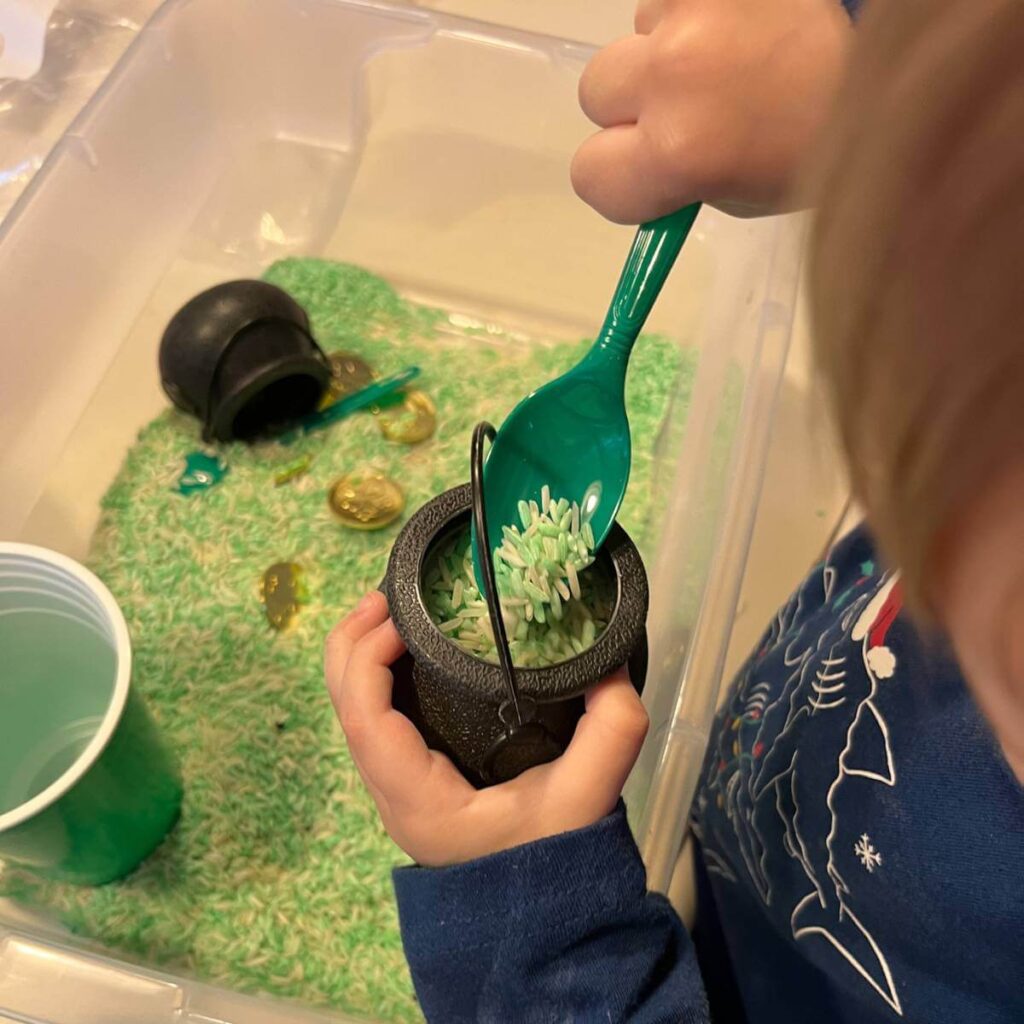
If you have a child coming up on 3 or just turned 3, these are some of the fine motor skills we usually expect from older 2 year olds:
- Begin to use scissors or use scissors with two hands
- String smaller beads together
- Build a tower of blocks
- Complete puzzles with 3-6 pieces
- Undress myself with some assistance
- Wash my hands and brush my teeth (even if an adult helps after)
- Hold a writing utensil in pincer grasp when reminded
- Draw horizontal and vertical lines as well as circles
If your 3 year old still needs help with some of these skills, work on these before moving on to the next skills. Again, every child’s development is a little different, so work at your child’s pace.
Fine Motor Milestones for 3-3.5 Year Olds
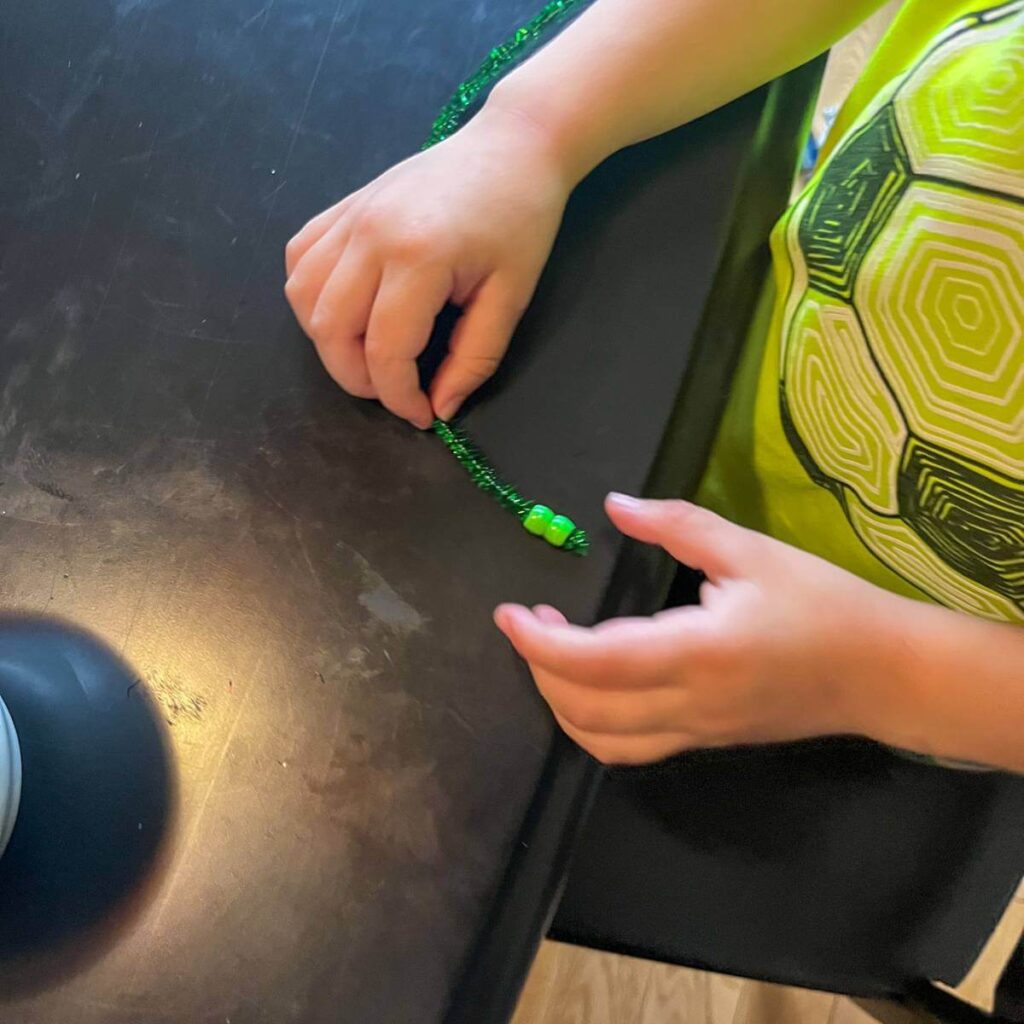
These are some of the main fine motor we expect to see in younger 3 year olds:
- Manipulate dolls or action figures
- Use scissors to snip paper by myself
- Draw various shapes
- Brush my teeth
- Get myself dressed with some assistance
- Help set the table or do simple chores
Fine Motor Milestones for 3.5-4 Year Olds
For older 3 year olds you can expect them to be progressing through the previous fine motor skills and moving into the following:
- Build structures with blocks
- Cut paper following a straight line (doesn’t have to be well)
- Use scissors with one hand
- Draw a person that consists of multiple shapes and lines
- Brush my teeth myself
- Get dressed
- Thread small objects
- Set up small toys easily
- Consistently write or color using pincer grasp
Activities to Build Fine Motor Skills
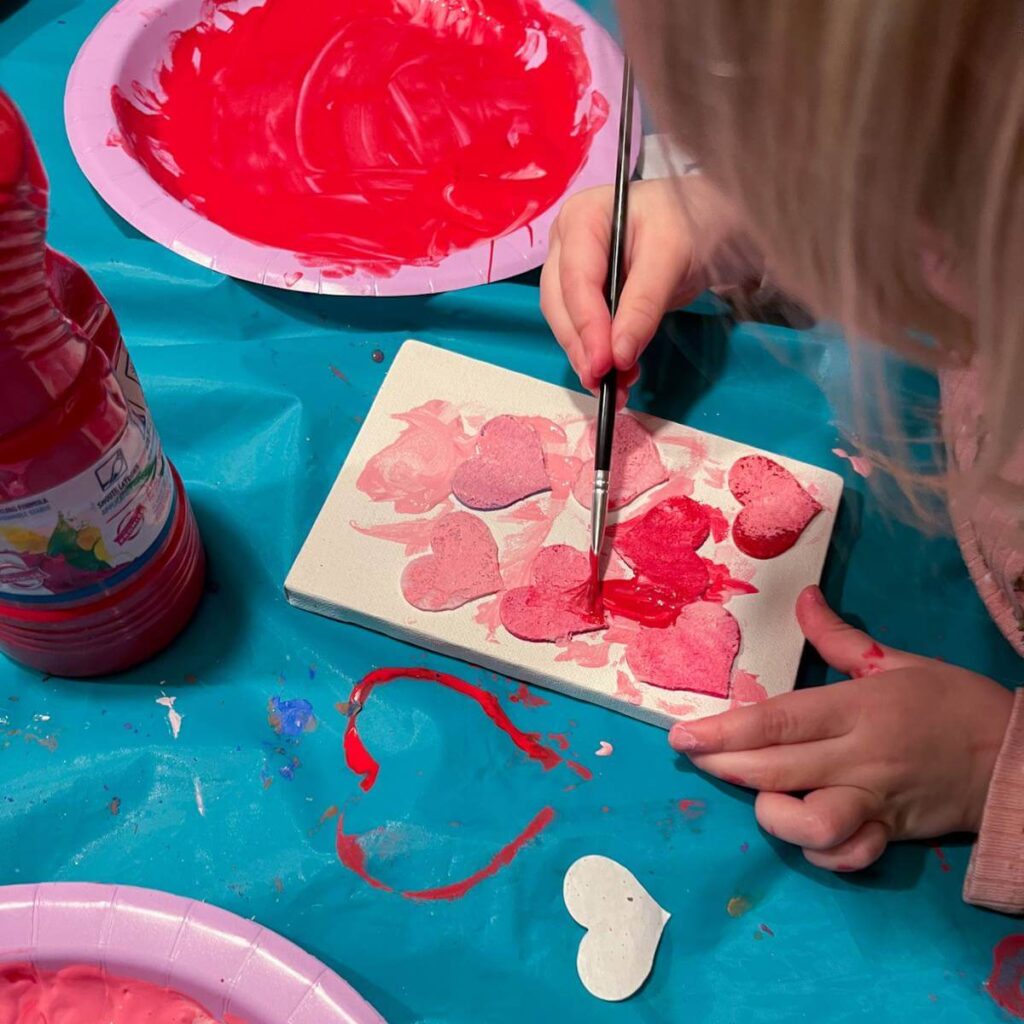
There’s lots of different ways you can encourage your child in fine motor development. Our best advice is tailor these activities to your child’s interest for the best results. For example, if your child loves cars, try car stickers, car coloring pages, or play dough with cars.
- Snip Paper
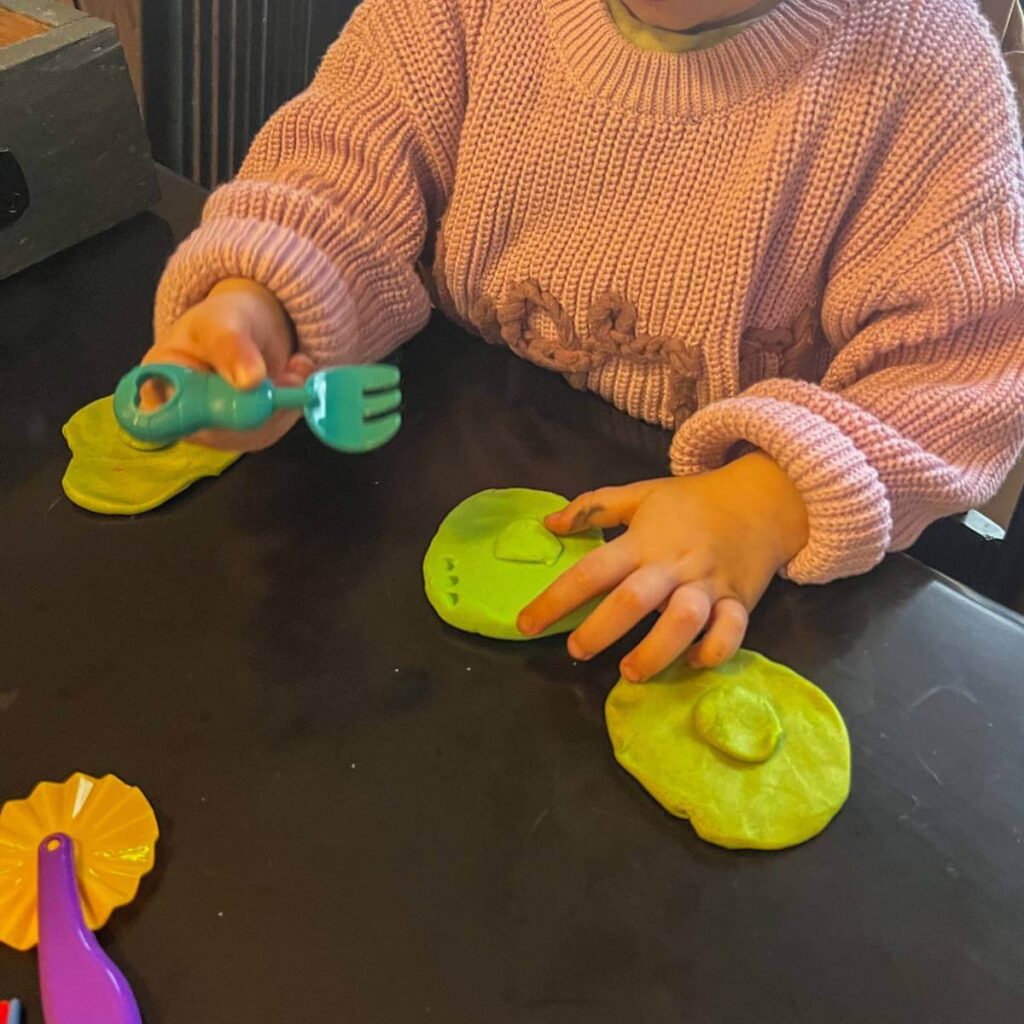
- Play Dough
- Sensory Bins
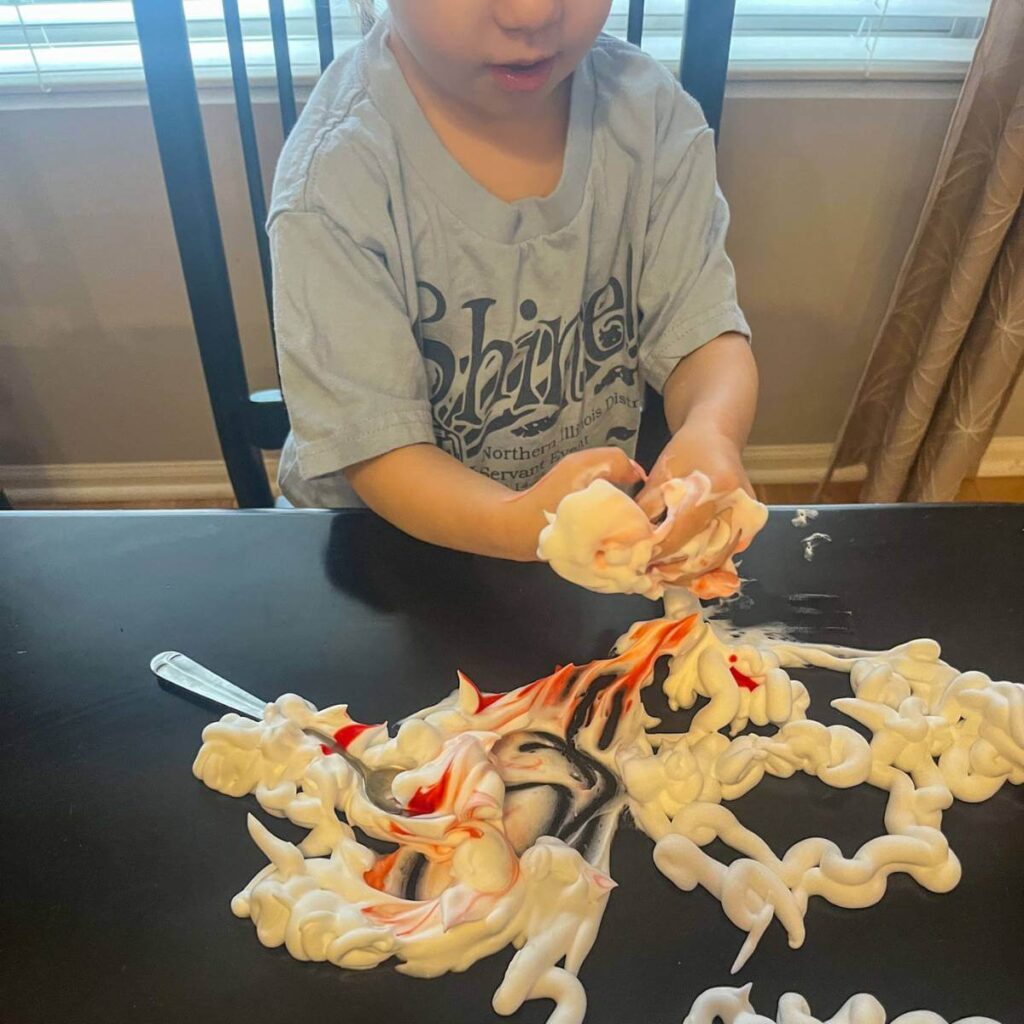
- Shaving Cream Play
- Building Blocks
- Simple Puzzles
- Stick Stickers on Paper
- Coloring (try this fun activity for a twist)
- Painting with Cookie Cutters
- Threading Large Buttons or Beads
- Homemade Slime
- Painter’s Tape and Animals
Another way to naturally build in a fine motor skills activity is let your child assist in everyday tasks like putting their socks on, brushing their hair, opening snacks, feeding themselves with utensils, opening doors, and picking up toys. Even if your child is not good at these things right now, help your child practice some or all of these things regularly.
When to Talk to Your Child’s Pediatrician
Remember that child development is a large range and every child is unique. If you believe that your child is not making any progress in fine motor skills or very behind these guidelines, bring it up to your child’s doctor. Then, your child can be referred to an occupational therapist who specializes in this area.
Tell the pediatrician if your 3 year old:
- Can’t stack multiple blocks on top of each other
- Scribbles but can’t copy lines
- Does not like to touch paint or play dough (after a few exposures)
- Has a lot of trouble brushing their teeth or getting clothes on
- Has trouble manipulating small toys
- Only plays with toys or you for 2-3 minutes before losing interest
Most child I see in preschool with aren’t meeting fine motor skills don’t actually have any kind of underlying developmental delay, they just haven’t been given opportunity or practice. Before worrying too much, try a few of the very simple fine motor activities for a few weeks, and then reassess your child’s progress. And most importantly, don’t compare your child’s skills to another because there’s such a huge range of development at this age range.
Make Fine Motor Skills Fun!
The best thing you can do for your child is make activities that are both enjoyable and beneficial for them. The best way to get your child involved in an activity is if you do it (or at least start it) with them! That being said, if your child is not interested in a fine motor activity after you tried it with them, don’t force it, but try something else instead.
Messy Play for Fine Motor Skills and Imaginative Play
Child at this age are extremely imaginative and thrive on pretend play, so why not combine that with activities that also build fine motor skills. The best way I’ve found to do that is through messy play! Messy play can sound intimidating, but it has tons of benefits for young kids and all kinds of creative things you can do with them.
Read our whole post on the benefits, our favorite ideas, and tips to minimize the actual mess part.
Open-Ended Play for Child Development
Another great way to combine pretend play with other new skills, including fine motor, is through open-ended play. Open-ended toys and play involve a lot of manipulation of small toys or objects that build fine motor skills. You can read my favorite open-ended toys along with the many benefits here.


